Can Chemical-Free pest control Effective in Toronto?
What Chemical-Free pest control Means
Chemical-free pest control is a general term, but it usually describes methods that skip conventional pesticide sprays and instead rely on physical, mechanical, and preventive measures. In practice, that can include integrated pest management, closing entry points, setting up monitoring devices, improving cleanliness, reducing moisture, and removing harborage areas where pests hide.
For many homeowners and renters looking for non toxic pest control, the appeal is obvious: approaches that are safe for families and pet-safe, with less disruption and fewer chemical concerns. In Toronto, that often means people start by searching for pest control Toronto options that prioritize eco friendly pest control and low-toxicity techniques.
Still, chemical-free does not automatically mean complete. The best results usually come from integrated pest management, where a trained technician combines inspection, exclusion, sanitation, and targeted intervention based on the pest and the property. That approach is often better than a single service call or a DIY remedy, especially in dense neighbourhoods across the city.
Is Pesticide-Free Pest Control Successful for Frequent Toronto Pests?
The bottom line is: sometimes, yes, but not always on its own. Effectiveness depends on the pest species, the size of the infestation, the building type, and whether the source of the problem can be identified and controlled. If you are searching for pest control near me, it helps to know which pests respond well to non-chemical methods and which usually need professional treatment.
In Toronto, common pests such as bed bugs, cockroaches, and mice behave in different ways. Bed bugs often require heat or very specific treatment protocols. Cockroaches can sometimes be reduced with sanitation and baiting, but severe infestations are hard to eliminate without a structured plan. Mice can often be managed well with exclusion and trapping, but if access points remain open, they return.
Bed Bug Heat Treatment vs. Other Non-Chemical Options
For bed bugs, bed bug heat treatment toronto services are one of the most effective non-chemical options. Heat remediation works by raising temperatures high enough to kill bed bugs in all life stages, including eggs, when done correctly by a professional team. Compared with sprays alone, it can be quicker and more thorough in a single day, though it still requires preparation and follow-through.
Mosquito Man Toronto224 King St W #2401, Toronto, ON M5J 0A6, Canada
+16472437241
https://maps.app.goo.gl/VbxNrosScd6ZL8U39
https://mosquitoman.ca/pest-control/toronto/
JJX7+23 Toronto, Ontario, Canada
People often ask about the cost of bed bug treatment and specifically the heat treatment for bed bugs cost. In Toronto, pricing varies based on unit size, infestation severity, and whether multiple rooms or multiple units are involved. Heat treatment is usually more expensive upfront than basic chemical options, but it can be worth it when the goal is to reduce repeat visits and eliminate hidden harbourages.
Other non-chemical options, such as vacuuming, mattress encasements, laundering, and clutter reduction, can support control but rarely solve an established bed bug problem on their own. In condo towers and apartment buildings, bed bugs can move between units through wall voids and shared structural gaps, which makes a coordinated professional plan much more reliable.
Can Non-Chemical Solutions Succeed for Mice and Rats?
Absolutely, usually more effectively than many people expect, but only if the approach is centered on integrated pest management. For rodents, the main measures are exclusion, sanitation, and monitoring. That means blocking entry points, placing bait stations where appropriate, removing food sources, and monitoring activity. If you are wondering how much is pest control for mice, the answer depends on whether the job is simple trapping or a full-scale exclusion project.
What about diy fumigation for mice? That is usually not a recommended solution. Fumigation is not a standard do-it-yourself rodent strategy, and it does not solve the real issue if rodents can still get inside. Mice in Toronto homes, especially older properties, often enter through tiny cracks, utility penetrations, worn weatherstripping, and foundation gaps. Without exclusion, even a well-planned trapping plan can fail.
Cold weather in Toronto and the GTA also increase rodent pressure as mice seek shelter and food indoors. That means prevention matters year-round, but it becomes especially important when temperatures drop. A strong rodent program may include exclusion, sanitation, moisture reduction, and a follow-up inspection to confirm activity has stopped.
What About Cockroach Infestations in Apartments and Homes?
Cockroaches are one of the clearest examples of where chemical-free ideas can help, but rarely replace a full strategy. Good sanitation, reducing moisture, sealing cracks, and removing food access can make a major difference. That said, cockroaches reproduce quickly and hide in harborage areas like kitchen voids, behind appliances, and in wall gaps.
If you have been searching cockroach exterminator toronto cost, you have probably seen a wide range of pricing. That is because the severity of the infestation, the size of the unit, and the number of treatment rounds all matter. In some cases, non-toxic pest control methods such as gel baits, dusting in voids, and sanitation improvements can work very well. In severe cases, they need to be paired with professional intervention and sometimes a residual treatment approach.
In multi-unit buildings, the problem is often larger than one suite. Cockroaches can travel between units, through plumbing chases, and through shared wall spaces. That means a single tenant doing everything right may still struggle if the whole-building issue is not addressed.
When Chemical-Free Pest Control Makes Sense
Non-chemical options are the best choice when the priority is keeping pests out, https://toronto-only213.iamarrows.com/can-exterminator-services-help-with-ticks-in-toronto prompt response, or support after a professional treatment. They are also helpful when you want to reduce exposure while still strengthening management. The most effective programs bring together prevention, exclusion, sanitation, and monitoring so pests no longer have access to food, water, and entry.
These strategies are especially successful when the problem is limited, the origin is easy to find, and the building can be made more secure. A clean pantry, sealed baseboards, repaired screens, and better garbage handling can all cut down pest pressure. In that sense, chemical-free work is often less about one product and more about long-term preventive maintenance.
For many Toronto households, the ideal result comes from using chemical-free methods as part of a more comprehensive plan rather than seeing them as a stand-alone fix. That is especially important in dense communities where pest pressure is high.
When You Will Need Specialized Care Instead
There are instances when a professional exterminator is simply the wiser choice. If an infestation is expanding, if pests are returning after several attempts, or if the building structure allows re-entry, chemical-free steps alone may not be enough. Professional treatment can include heat treatment, strategic baiting, or a targeted combination of methods customized to the pest and the property.
This is where pest control cost ontario becomes a important question instead of a philosophical one. Paying for the proper treatment can be more affordable than repeated failed DIY efforts, replacement of damaged items, or ongoing discomfort. A trained licensed technician can identify the real source, decide whether the issue needs a targeted treatment, and recommend the most suitable follow-up plan.
For example, bed bugs in a condo unit may need heat remediation. Mice in an older home may need exclusion and trapping. Cockroaches in a shared building may require baiting and coordinated control. In each case, professional support is often the main factor between temporary reduction and real resolution.
How Much Does Pest Control Cost in Ontario and Toronto?
People frequently look up pest control toronto cost, pest control prices near me, or pest control near me prices looking for a straightforward number, but pricing differs a lot. The price is influenced by the pest, the property type, and whether the plan includes inspection, treatment, and follow-up. As a rule, pest control cost ontario reflects the combination of local labour rates and the complexity of the job.
In Toronto, a simple, basic job may cost less than a severe infestation that requires multiple visits. Chemical-free approaches can sometimes lower ongoing exposure concerns, but they do not always reduce cost. Heat treatment, extensive exclusion work, and repeat inspections can increase the total. On the other hand, if the problem is caught early, a focused non-toxic strategy may be cost-effective.
Toronto vs. Other Ontario and Canadian City Pricing
Toronto pricing is often greater than nearby markets because of building density, parking/logistics, and the prevalence of multi-unit housing. If you compare pest control mississauga, pest control brampton prices, and pest control hamilton prices, you may find some jobs are priced a bit lower outside downtown Toronto, though not always by much. pest control london ontario can also differ based on service density and property type.
For broader context, pest control kitchener may be priced differently from Toronto because the housing stock and service area density vary. Outside Ontario, pest control fredericton nb and adams pest control fredericton may reflect a different local market, while adams pest control moncton serves a separate regional demand. In western Canada, pest control edmonton prices can also differ due to climate, pest pressure, and service models.
These comparisons are not exact quotes, but they show why local market conditions matter. It is best to compare the scope of service, not just the starting price. A lower price with no inspection, no follow-up, and no warranty may cost more in the long run than a more complete plan.
What Affects the Cost of Eco-Friendly Services?
Multiple factors influence the cost of non-chemical treatment. The first is the first inspection, which helps pinpoint the type, points of entry, and extent of activity. The other is infestation severity; a light issue is easier and cheaper to treat than a extensive one. The last is service scope, which may include caulking, trapping, cleanup advice, or heat treatment setup.
Follow-up visits also count. A one visit may not be enough to ensure control, especially for bed bugs or rodents. If a provider includes a proper follow-up inspection and monitoring, the plan is often more effective. That is true whether you are dealing with mice in a semi-detached home or cockroaches in a downtown apartment.
When comparing quotes, ask what is included: inspection, exclusion, monitoring, treatment, and warranty. A detailed service plan is usually better than a unclear promise of low cost.
How to Pick the Most Effective Pest Control Near You
If you are seeking to find the best pest control near me, start by looking for background with your specific pest and property type. A company that is familiar with apartment buildings, townhomes, and older houses will be better equipped for Toronto conditions. Search terms like pest control near me can bring up many options, but not all services are the same.
Choose a licensed exterminator who explains the plan clearly, provides a real inspection, and covers both treatment and prevention. Ask whether the company uses warranty coverage, what happens if the pest returns, and whether the approach includes blocking entry points or monitoring. If a provider only offers a one-size-fits-all treatment, that is a clear concern.
For chemical-free work, the best providers are usually those that pair sanitation advice, access sealing, and a realistic understanding of where non-toxic methods end and professional treatment begins. That balanced approach is often more effective than trying to force every case into a purely natural solution.
City-Specific Considerations That Change Treatment Outcomes
Toronto has a number of factors that impact pest control results. Multi-unit buildings are a significant issue because pests can travel between suites, hallways, and utility chases. That means even excellent in-unit work can be weakened by neighbouring activity. In condos and apartment buildings, coordination plays a role as much as treatment.
Older housing stock is another challenge. Many Toronto homes have more cracks, settling gaps, and utility penetrations than newer construction. Those openings can allow rodents and insects to enter over and over unless exclusion work is done carefully. In these homes, good sealing and structural repairs are often just as vital as any treatment.
Local regulations and tenant responsibilities also play a role. Toronto bylaw standards and property management practices can affect response time, building maintenance, and the amount of cooperation needed between occupants and landlords. In many cases, success depends on getting everyone on the same page around sanitation, access repair, and ongoing monitoring.
Ways to Tell Chemical-Free Methods Are Effective
It helps to understand whether your plan is actually improving conditions. One strong sign is a reduction in catches or activity in monitoring traps. When traps remain empty for a while and you stop seeing new droppings, that suggests the pest pressure is dropping. You might also see fewer sightings, less scratching, less odour, or less nighttime activity.
Activity reduction should be tracked across several checks, not judged after a single day. When dealing with rodents, that may mean fewer signs near food storage areas. For cockroaches, it may mean fewer sightings in kitchen and bathroom zones. With bed bugs, success is often measured through structured monitoring and a proper inspection follow-up, especially after heat treatment or a multi-step program.
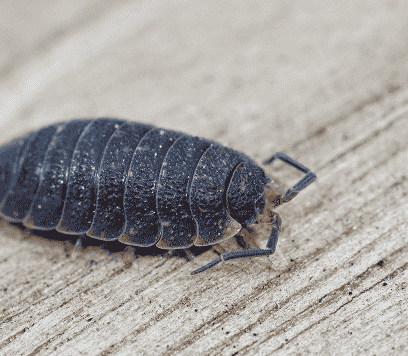
Good programs also include notes about what changed: improved sanitation, closed cracks, repaired screens, or reduced moisture. Those are the practical indicators that chemical-free strategies are doing their job.
Non-toxic methods are most effective when they remove the conditions pests need to survive. If food, water, access, and hiding places remain, the infestation will often return.
FAQ: Chemical-Free Pest Control in Toronto
Is chemical-free pest control effective for bed bugs in Toronto?
In many cases, yes, but usually only when it includes professional heat treatment or a very structured control plan. Bed bugs are difficult to eliminate with DIY-only methods, especially in Toronto multi-unit buildings where movement between units can continue. Chemical-free strategies like laundering, vacuuming, mattress encasements, and clutter reduction help, but a proper professional approach is usually needed for a full result.
Can non-toxic pest control get rid of mice permanently?
It can, if the plan focuses on exclusion, sanitation, and ongoing monitoring. Mice will keep coming back if sealed entry points are not addressed. Permanent control is possible, but only when the structure is secured and food sources are removed. In many Toronto homes, especially older ones, that means a combination of repairs and trapping rather than a one-time service call.
How much does pest control Toronto cost to treat a small infestation?
For a minor problem, pest control toronto cost tends to be relatively manageable, but it depends on the pest and the scope of the infestation. A basic inspection and focused treatment may cost less than a complete remediation plan. If you are comparing pest control near me prices, ask whether the quote includes the inspection, follow-up, and coverage. This helps you assess value, not just the initial price.

Is there bed bug heat treatment in Toronto better than chemical treatment?
It often is, especially when you want a quick, low-chemical solution and the infestation is verified. Bed bug heat treatment toronto can reach hidden areas that sprays may miss, and it avoids relying on leftover chemical application. However, the cost of bed bug treatment and the heat treatment for bed bugs cost can be costlier at first. The best choice depends on the scope of the infestation, the unit setup, and whether the preparation is done correctly.
Where do I look for the best pest control near me for a chemical-free approach?
Look for a licensed exterminator with experience in integrated pest management, open communication, and a solid plan for prevention. Ask whether they use monitoring, sanitation advice, exclusion work, and follow-up inspection. The best pest control near me is the one that aligns with the treatment to the pest, the building, and your preference with chemical use.