Animal Management in North York: What Residents Need to Know
If you need pest control North York homeowners can rely on, animal problems are often part of the conversation. In North York, part of the City of Toronto, properties and structures are close to gullies, green spaces, busy streets, and mature trees, which makes it easier for animals to find shelter, cover, and hidden routes into buildings. Whether you live in a detached house, townhouse, or low-rise building, wildlife control North York services often start with learning how local conditions invite infestations in the first place.
From raccoons in the attic to squirrels in the roofline, wildlife issues are usually linked to entry points, not chance. Once animals find a gap in the eaves, a loose vent, or a weak point near the chimneys, they can settle in quickly. The sooner you recognize the signs and use humane wildlife removal, the better your chances of avoiding property damage, contamination, odor, and repeat visits.
The reason Wildlife Problems Occur in North York
Animal activity in North York is shaped by the same urban pressures found across Toronto, but certain neighbourhoods see more problems because of housing style and landscape. North York neighbourhoods with older homes, tree-lined streets, and mixed-density development often have more roof access points, aging soffits, and weathered vents that make entry easier.
Urban wildlife adapts well to the city. Raccoons, squirrels, rats, skunks, bats, and birds all learn how to use fences, garages, eaves, and utility lines to move through residential areas. In places with nearby parks, ravines, and green corridors, animals can travel between shelter and food without ever needing to cross open space for long. That is one reason infestations may be more common near major roads, park edges, and established neighbourhood blocks.
Easy food sources also play a major role. Garbage bins left unsecured, compost that is not managed properly, pet food on porches, and bird feeders can attract wildlife. Once an animal learns a route to dependable food, it will return. Shelter access is the other half of the problem. A small entry hole at the roofline, loose flashing, or a gap around a chimney can become a nesting site, especially when the weather changes in spring and fall across the Greater Toronto Area climate.
Seasonal pressure matters too. In spring, raccoons and squirrels look for nesting space, and in fall they seek warm shelter before winter. That means wildlife control North York homeowners need is often most urgent during these seasonal shifts, when animals are actively searching for secure places to raise young or survive colder nights.
Typical Animal Pests in North York Homes
Various species lead to the most common calls for wildlife control in North York. Every one behaves differently, but they all exploit the same structural vulnerabilities.
Raccoons are one of the most common problems in the city. They are sturdy, intelligent, and able to pry open weak soffits, roof vents, and chimney covers. Once inside the attic, raccoons can damage insulation, create nesting areas, and leave significant droppings behind. They are especially active around garbage bins and outdoor food sources.
Squirrels are another regular issue, particularly in neighbourhoods with mature trees and older homes. They often enter through roof vents, gaps near fascia boards, or damaged siding. In the attic, squirrels may chew wood, wires, and insulation while building nests. Their activity can be disruptive and persistent.
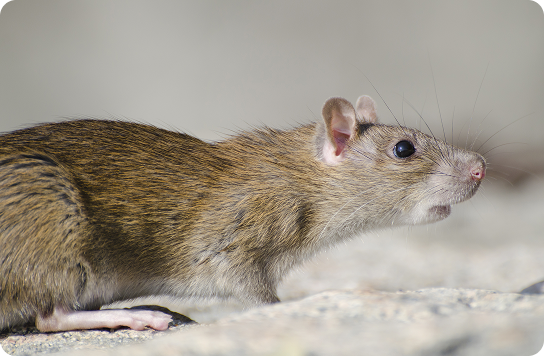
Rats are a serious concern in dense urban settings and around older properties with accessible foundations or cluttered storage areas. Rats use burrowing, wall voids, and utility gaps to move unseen. They can contaminate insulation, spread odor, and leave droppings in hidden spaces.
Skunks usually become a problem outside the home, especially under decks, sheds, porches, or low foundations. Their digging and burrowing can undermine structures and create strong odor issues. In spring, they may settle near homes to den, which makes early prevention important.
Other animals may also require wildlife removal, including bats in attic spaces, and birds nesting in vents, soffits, or chimneys. Mice may not be classified as wildlife in the same way, but they are common in North York homes and often appear alongside larger pest activity. In practice, the best pest control North York providers often deal with multiple species at once because one entry point can invite more than one type of pest over time.
Signs That You Need Wildlife Control Help
Most property owners first notice wildlife through noise or mess. Early warning signs can help you take action before the problem becomes severe.
Attic noise is one of the most frequent indicators. Scratching, darting, bumping, or vocal sounds above the ceiling often point to raccoons or squirrels in the attic. If the noise is strongest at dawn or dusk, that can help identify the animal’s activity pattern.
Droppings are another clear sign. Wildlife droppings in an attic, around the garage, near vents, or in crawlspaces suggest an infestation is already established. Droppings can create contamination and may signal nesting nearby.
Chewed wires should never be ignored. Squirrels and rats are known for chewing electrical lines, which creates both property damage and fire risk. If you notice flickering lights, exposed insulation, or damaged wiring, the issue may be hiding in the attic or behind walls.
Entry holes around the roofline, soffits, chimneys, or vents are a strong sign that wildlife has found access. Sometimes the opening is obvious, but in other cases it is hidden behind gutters, trim, or upper siding. A visible entry hole usually means there are likely more weaknesses nearby.
Other symptoms can include odor, damaged insulation, nesting material, greasy rub marks, and sudden activity around garbage bins. If you are seeing multiple signs at once, the infestation may already be well established, and an inspection should happen quickly.
Protected Animal Removal and Exclusion Methods
Effective wildlife removal should always be done humanely and with a strategy for lasting exclusion. The goal is not only to remove the animal but to make sure it cannot re-enter.
The process usually begins with a full inspection. A licensed technician looks for entry points, signs of nesting, droppings, damage, and the species involved. In North York, that inspection often focuses on the attic, roofline, soffits, chimneys, and utility openings because these are common access areas in older homes and low-rise buildings.
For many situations, one-way doors are used as part of humane wildlife removal. These devices allow animals to exit but not re-enter, which is especially useful for raccoons and squirrels that have entered the attic or other enclosed spaces. After the animal leaves, the opening is sealed so it cannot come back in.
Exclusion sealing is the critical next step. This means closing all entry points with proper materials so the building becomes wildlife-proofed. If only one hole is fixed while others remain open, another animal may enter later. That is why exclusion is more than a patch job; it is a complete prevention strategy.
Depending on the species, proofing may also include vent covers, repairs to flashing, reinforcement of weak soffits, and sealing gaps around chimneys or dormers. A complete approach also addresses sanitation, because leftover https://toronto-oner785.iamarrows.com/what-is-the-length-of-pest-control-treatment-take-in-north-york nesting debris, odor, and droppings can attract additional pests or create health concerns.
When done properly, animal control is about safety, compliance, and durability. Humane wildlife removal is not just better for the animals; it is usually better for the homeowner too, because it reduces the chance of repeat infestations and future structural damage.
Why Local Pest Control in North York Matters
Regional expertise is important because North York is far from a single-template environment. The mix of detached houses, row houses, duplexes, low-rise structures, and older buildings means technicians need to recognize how wildlife acts in different property types. A home close to a busy major route may face different pressures than one near a park or ravine, even if both are in the same part of Toronto.
There is also a legal side to wildlife work. Homeowners should know that the Ontario Wildlife Act sets rules around handling wildlife, and Toronto municipal bylaws can affect how animals are taken away, relocated, or excluded. A professional who understands local regulations can help ensure the work is done properly and responsibly.
That is why local technicians are valuable. A licensed technician who works regularly in North York will understand seasonal patterns, common building designs, and the types of entry points found in the area. They also know how to adapt removal and exclusion methods to properties near major roads, green spaces, and older residential blocks.
Choosing pest control North York homeowners can trust means choosing someone who knows the local landscape, not just the animal. That local knowledge improves inspection quality, makes prevention more effective, and supports compliance with city and provincial requirements.
Preventing Animals From Returning
After the infestation is gone, prevention is the next priority. Securing your home against wildlife is the best way to avoid repeat service visits and ongoing repair costs.
Waste management should be the first priority. Keep waste bins securely closed, place them in a secure location when possible, and avoid leaving food waste accessible overnight. Raccoons, rats, and other pests are especially drawn to simple food sources, so good garbage habits make a big difference.
Then, check the outside of the building for vulnerable areas. Attic vents need proper covers, and broken or loose parts should be repaired quickly. Chimney covers are also important because open chimneys can invite birds, bats, raccoons, and other animals looking for shelter. In North York, where many homes have older roof structures, these features are essential to long-term exclusion.
Landscape upkeep matters too. Keep branches trimmed away from the roofline so squirrels cannot jump directly onto the house. Remove clutter under decks or sheds where skunks may burrow. Remove thick brush and leaf piles that offer cover for wildlife near the foundation.
It is also important to look for hidden access points around soffits, vents, and siding after major storms or roof work. A small gap can become a major entry hole in a short time. Regular maintenance supports sanitation, reduces odor issues from hidden nesting, and lowers the risk of damage to insulation or wiring.
Prevention is not only a seasonal job. Because North York has active wildlife throughout the year, consistent wildlife-proofing is the most reliable defence. When homes are sealed correctly and outdoor attractants are controlled, animals are much less likely to return.
When to Call a North York Wildlife Control Professional
Certain wildlife situations can hold off a day or two, but some need prompt attention. If you notice structural damage, do not delay. Damaged soffits, torn roof vents, broken chimney covers, or chewed electrical lines can get worse fast, especially when an animal continues to nest or burrow within.
Contact a specialist if you are dealing with repeat infestations. If raccoons, squirrels, or rats keep coming back, it usually means there are unresolved entry points or incomplete exclusion work. A thorough inspection and sealing plan is needed, not one more quick patch.
Hygiene concerns are yet another motivation to act quickly. Droppings, bodily waste, nesting debris, and odor can create unsanitary conditions in attics, crawlspaces, and wall cavities. These materials may also lure other wildlife or pests if they are left in place.
You should additionally ask about urgent service if an animal is actively trapped inside, resulting in visible damage, or presenting a safety concern. For example, a raccoon in the attic during nesting season, a squirrel chewing wires, or a skunk under a porch near a family entrance may need urgent response.
In many cases, the right time to call is right when you notice the first signs. North York homeowners often save both time and money by contacting a professional at the first sign of attic noise, droppings, or a new entry hole. Quick action reduces contamination, limits property damage, and improves the odds of a clean, humane resolution.
FAQ
What wildlife species are commonly removed by wildlife control in North York?
The most frequent creatures dealt with by wildlife control North York services include raccoons, squirrels, rats, skunks, bats, and birds. Mice are likewise common in homes and can be addressed in addition to other wildlife concerns. The exact species often depends on the property type, nearby parks or ravines, and the season.
Is humane wildlife removal legal in North York, ON?
Absolutely, kind wildlife removal is permitted when it meets the correct rules. The work must comply with the Ontario Wildlife Act and Toronto municipal bylaws. This is why it is important to use a licensed technician who understands how to handle animals humanely and carry out exclusion correctly.
How do I know if I have a raccoon or squirrel in the attic?
Attic sounds is the initial sign, but the kind of noise can help. Raccoons often make heavier thumps and heavier activity, while squirrels usually create fast scratching and running sounds. Droppings, nesting material, gnawed wires, and the spot of the entry hole can also help identify the animal. A thorough inspection is the most dependable way to confirm it.
Will pest control North York services prevent wildlife from coming back?
Yes, if the service includes thorough exclusion and protective work. Prevention depends on sealing entry points, fixing roofline damage, installing chimney caps or vent covers, and improving sanitation around the home. Good wildlife-proofing makes it far more difficult for raccoons, squirrels, rats, and other pests to return.

When should I call for wildlife control after hearing noises in the attic?
You should call right away, ideally after the first recurring noise. Delaying can lead to additional nesting, droppings, odor, ruined insulation, and damaged wiring. Early inspection and humane removal usually lower repair expenses and can prevent repeat infestations.